
Day/night, EV and smart electricity tariffs for heat pumps
Leaving an air-to-water home on an undiscounted 44 c/kWh standard tariff adds €450 to €650 a year in avoidable bills. Switching to a discounted smart Day/Night or EV overnight tariff (19 c to 29 c night rate; 8 c to 15 c EV boost slots) cuts typical annual heating bills by 20% to 35%.
How choosing the wrong Irish electricity plan adds €400+ a year to heating bills, and how to schedule hot water and thermal mass into cheap night hours.
Free, no obligation. One local installer prices it, not five.
- 31–35 cdiscounted 24-hr urban rate
- 19–29 csmart night rate (11 pm–8 am)
- 8–15 cEV overnight boost window
- 37–54 csmart peak window (5–7 pm)
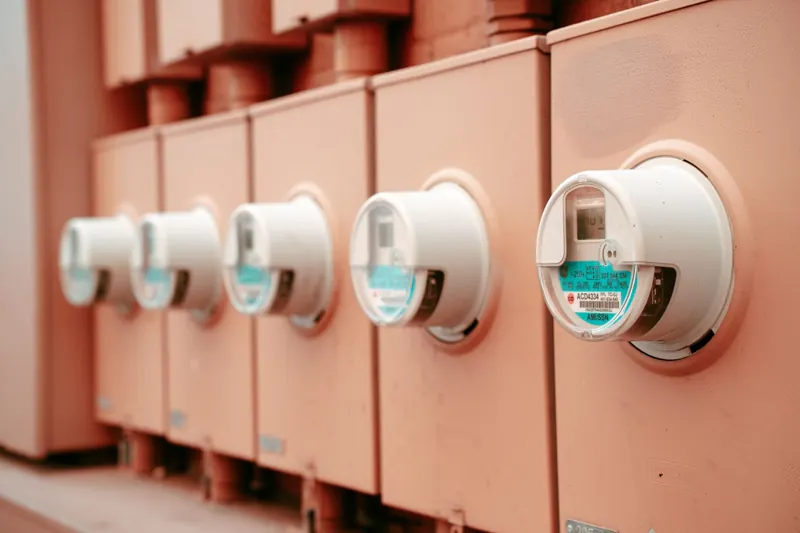
Comparing 2026 Irish tariff structures for heat pumps
Discounted 24-hr urban plan
- 2026 unit rate range
- 31 c to 35 c / kWh
- Strengths
- Simple, predictable, no 5 pm to 7 pm peak surcharge.
- Watch-outs
- Misses cheap overnight water heating; always re-contract yearly before standard 44 c rollover.
Smart Day / Night / Peak
- 2026 unit rate range
- Day 33–44 c · Night 19–29 c · Peak 37–54 c
- Strengths
- Nine full night hours (11 pm to 8 am) cover hot water reheat and morning warm-up cheaply.
- Watch-outs
- Avoid running hot water or Legionella cycles during the 5 pm to 7 pm peak tariff window.
Smart EV overnight boost plan
- 2026 unit rate range
- Night boost 8–15 c (2–4 hrs) · Day 34–42 c
- Strengths
- Ultra-cheap 2 am to 5 am window slashes hot water cylinder and UFH screed charging costs.
- Watch-outs
- Higher daytime unit rate means radiator-only houses without thermal mass must check total blend.
Legacy dual-register NightSaver
- 2026 unit rate range
- Day ~42–46 c · Night ~19–31 c
- Strengths
- Long nine-hour night rate with no evening peak penalty.
- Watch-outs
- Slightly higher standing charge; cannot revert once switched to smart time-of-use billing.
Price my air-to-water system
Four quick taps and you see the full cost and net after the €6,500 SEAI grant before any phone number is asked for. One local installer rings you, not five.
3-bed semi or terrace (6 to 8 kW), radiators (with K2/K3 swaps), SEAI grant: €12,800 to €18,000 full (€6,300 to €11,500 after €6,500 grant).
How the price is worked out
The range reflects typical Irish supply-and-install air-to-water hydronic heat pump packages at 9% VAT: outdoor monobloc or split unit, indoor controls, a 200 L to 300 L heat-pump hot water cylinder, core pipework, emitter allowance and commissioning. Where SEAI grant applies to a pre-2021 house, we deduct the €6,500 base Heat Pump System grant to give a conservative net figure; qualifying oil or gas boiler swaps can also claim up to €2,000 for central heating upgrades and a €4,000 Renewable Heat Bonus under SEAI rules. Attic or wall insulation upgrades, ESB 16 kVA supply upgrades (€2,245) and floor screed are separate. airtowaterheating.ie is not SEAI or a government body and does not award grants. Only a room-by-room heat-loss survey gives a firm quote.
Four tariff habits that cut heat pump electricity bills
- Re-contract every 12 months. Letting a 25% to 30% new-customer discount expire onto standard 44 c/kWh rates instantly inflates a 3,500 kWh heat pump bill by €385+ a year.
- Lock hot water and Legionella into 2 am to 6 am. Heating 250 L of water takes roughly 2.5 to 4 kWh of electricity per cycle; doing it at 12 c to 22 c instead of 45 c saves €150+ a year effortlessly.
- Use peak-tariff blocking (5 pm to 7 pm). Most modern heat-pump controllers let you pause compressor boosts during the two-hour evening peak window while well-insulated rooms coast comfortably.
- Pre-warm UFH concrete slabs overnight. On an EV smart plan, raising the floor target by 1 °C between 2 am and 6 am banks cheap heat inside the screed for the morning.
See how blended tariff rates turn into real euro savings against kerosene and gas on real Irish running costs.
Related air-to-water guides
Running costs vs oil and gasAnnual Irish heating bills at 2026 kerosene, gas and smart electricity tariffs. Hot water cylinders and Legionella200 L vs 300 L stainless cylinders, large coil surface area and 60 °C weekly cycles.
 ESB supply and weather controls12 kVA vs 16 kVA ESB MIC limits, Safe Electric Cert No. 3 and weather curves.
 Air-to-water with underfloor35 °C flow loops, SCOP above 4.0, screed builds versus retrofit overlay boards.
 Replacing an oil boilerDecommissioning kerosene tanks, checking pipework and claiming SEAI swap grants.
 Replacing a gas boilerCutting gas standing charges, planning cylinder space and sizing low-temp radiators.
Common questions before switching
Should I activate a smart time-of-use tariff as soon as ESB installs a smart meter?
Not automatically. Download your 30-minute HDF usage file from your ESB Networks online account after a winter month and compare a 24-hour discounted plan against a smart Day/Night or EV plan on your actual kWh split.
Do heat pumps cost more to run at night because outside air is colder?
Night air in Ireland is typically only 2 °C to 4 °C colder than daytime winter air (a small 5% to 8% COP dip), whereas smart night electricity is 35% to 65% cheaper per kWh, leaving a clear net financial saving.
Is a home battery worth pairing with an air-to-water heat pump?
A 10 kWh battery charged at 10 c overnight can cover evening peak loads and morning heating surges, though check battery payback against simply shifting hot water and UFH into night hours first.
Can I run an air-to-water heat pump on a standard 24-hour meter?
Yes. Plenty of radiator-heated Irish homes achieve strong savings over oil on a competitive 31 c to 34 c discounted 24-hour tariff without ever thinking about peak clocks.
All air-to-water heating pages and guides
Heating setups
Technical guides
See your air-to-water price before anyone rings
Pick your house size, radiators or underfloor heating and SEAI grant route. When you want a room-by-room heat-loss quote, your outline goes to a single local heating installer in your county.