
ESB connection capacity and weather-compensation controls
Most 3-bed Irish homes on a 6 to 9 kW air-to-water heat pump run cleanly on a standard 12 kVA (52 A) ESB connection. Larger 12 to 16 kW heat pumps paired with EV chargers or electric showers may require upgrading to 16 kVA (70 A), which costs €2,245 incl. VAT from ESB Networks.
When a standard 12 kVA house supply runs an air-to-water heat pump comfortably, when a 16 kVA ESB upgrade is needed, and how weather curves save 20%.
Free, no obligation. One local installer prices it, not five.
- 12 kVA (52 A)standard domestic ESB supply
- 16 kVA (70 A)enhanced ESB supply
- €2,245ESB 12 to 16 kVA upgrade fee
- Cert No. 3mandatory Safe Electric sign-off
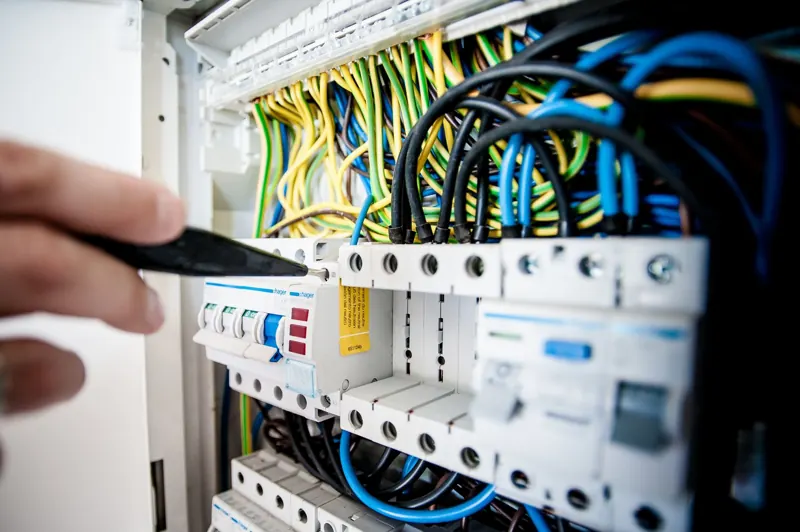
Standard 12 kVA versus enhanced 16 kVA ESB connections
An inverter air-to-water heat pump draws far less electrical power than its thermal output: an 8 kW heat pump typically draws just 2.0 to 2.5 kW (9 to 11 amps) in normal winter running, rising briefly to 4 to 6 kW if a backup heater engages during extreme frost. The crunch comes only when a large heat pump runs simultaneously with a 9.5 kW electric shower, a 7.4 kW EV charger and an electric oven.
Standard 12 kVA connection
- Maximum demand capacity
- 12 kVA (52 A averaged)
- Max switched load (e.g. shower)
- 9 kVA
- Typical air-to-water fit
- 6 to 9 kW units (with mixer showers)
- ESB Networks upgrade charge
- Already installed on most Irish homes
Enhanced 16 kVA connection
- Maximum demand capacity
- 16 kVA (70 A averaged)
- Max switched load (e.g. shower)
- 12 kVA
- Typical air-to-water fit
- 12 to 16 kW units + EV charger / electric showers
- ESB Networks upgrade charge
- €2,245 incl. VAT (€1,978 ex VAT)
Before paying for a 16 kVA upgrade, ask your Registered Electrical Contractor about fitting a dynamic load-management device on your EV charger and converting instantaneous electric showers to mixer showers off your heat-pump cylinder. Every heat pump electrical installation must be signed off with a Safe Electric Completion Certificate No. 3 under I.S. 10101.
Price my air-to-water system
Four quick taps and you see the full cost and net after the €6,500 SEAI grant before any phone number is asked for. One local installer rings you, not five.
Rural bungalow (12 to 16 kW), UFH downstairs and radiators upstairs, SEAI grant: €18,000 to €25,200 full (€11,500 to €18,700 after €6,500 grant).
How the price is worked out
The range reflects typical Irish supply-and-install air-to-water hydronic heat pump packages at 9% VAT: outdoor monobloc or split unit, indoor controls, a 200 L to 300 L heat-pump hot water cylinder, core pipework, emitter allowance and commissioning. Where SEAI grant applies to a pre-2021 house, we deduct the €6,500 base Heat Pump System grant to give a conservative net figure; qualifying oil or gas boiler swaps can also claim up to €2,000 for central heating upgrades and a €4,000 Renewable Heat Bonus under SEAI rules. Attic or wall insulation upgrades, ESB 16 kVA supply upgrades (€2,245) and floor screed are separate. airtowaterheating.ie is not SEAI or a government body and does not award grants. Only a room-by-room heat-loss survey gives a firm quote.
Weather compensation: why steady running beats on/off timers
- Automatic outdoor weather curve. An exterior sensor adjusts radiator or floor water temperature smoothly as outside weather shifts, sending 32 °C water on a mild 10 °C October afternoon and 43 °C only during a −2 °C January frost.
- Leave space heating on continuously. Turning an air-to-water heat pump off for 12 hours lets walls and floors cool down, forcing maximum compressor speed and high flow water to recover.
- Keep night setback gentle (1 °C to 2 °C max). Dropping overnight room temperature from 20 °C to 18.5 °C trims energy lightly without triggering an expensive morning recovery spike.
- Independent hot water scheduling. Separate DHW controls let you heat your cylinder once daily during cheap night electricity hours while space heating follows its own smooth weather curve.
Properly configured weather-compensated controls typically cut heat-pump energy consumption by up to 20% compared with fixed high-flow settings. Review smart tariff scheduling alongside your controller setup.
Related air-to-water guides
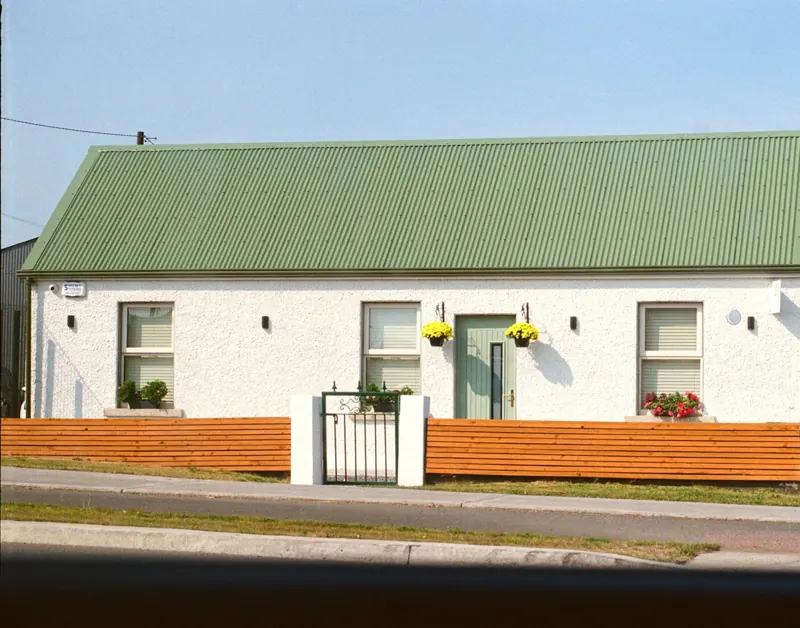 Bungalow and detached retrofits12 to 16 kW sizing, roof and cavity insulation first, and ESB 16 kVA supply checks.
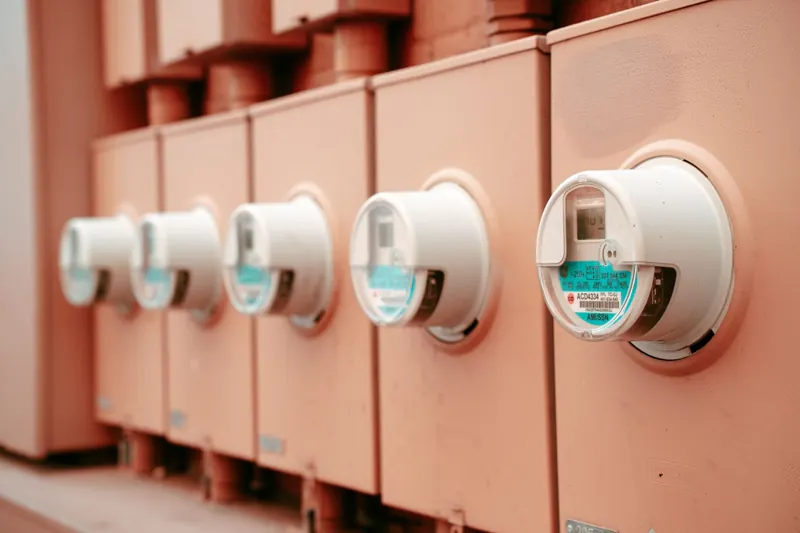 Day/night and smart tariffs24-hour, NightSaver and EV smart plans to shift water heating into cheap night hours.
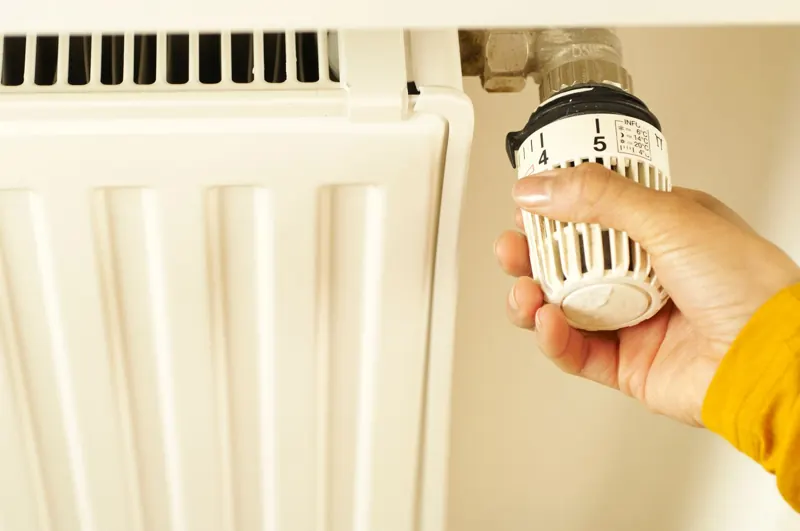 Mixing UFH and radiatorsDual-temperature weather compensation, mixing manifolds and buffer tank rules.Running costs vs oil and gasAnnual Irish heating bills at 2026 kerosene, gas and smart electricity tariffs.
 New-build air-to-water systemsFirst-fix UFH manifolds, airtightness, Part L compliance and 9% supply-and-fit VAT.
 Air-to-water costs IrelandFull 2026 Irish price breakdown by house type, emitters, cylinder and SEAI grant.
Common questions before switching
How do I check whether my house has 12 kVA or 16 kVA?
Check your electricity bill or ESB Networks online account for your MIC (Maximum Import Capacity), or ask a Registered Electrical Contractor to inspect your main ESB fuse cutout and tails.
How long does an ESB Networks 12 kVA to 16 kVA upgrade take?
Apply through ESB Networks' online connections portal quoting your MPRN. Lead times vary by county and whether overhead or underground cables need upgrading, so check early in your survey stage.
Do I need a new fuse board for an air-to-water heat pump?
Not always, provided your existing consumer unit has spare ways, RCD/RCBO protection and compliant earthing. Older 1970s/1980s rewireable fuse boxes normally need upgrading by an REC to issue Completion Certificate No. 3.
Why shouldn't I use smart radiator valves on every radiator?
Closing most rooms down shrinks the active pipe volume and forces the heat pump to short-cycle on and off. Keep living zones open on weather compensation and use TRVs sparingly in bedrooms.
All air-to-water heating pages and guides
Heating setups
Technical guides
See your air-to-water price before anyone rings
Pick your house size, radiators or underfloor heating and SEAI grant route. When you want a room-by-room heat-loss quote, your outline goes to a single local heating installer in your county.